
Did you notice a faint brown stain spreading across the ceiling in early March? The roof looked fine all winter. No missing shingles. No obvious leaks. Yet the damage is there, and it began quietly during those 35°F afternoons followed by 15°F nights. In Minnesota, daily temperature swings in winter regularly push roofs above and below freezing, making ice dams, cracks, and leaking roofs a common hidden problem. This is how freeze thaw cycle roof damage often starts.
In this article, we will look at how freeze thaw cycles damage roofs, why ice dams and roof leaks keep showing up, and what signs homeowners should never ignore. Understanding what’s happening on your roof can save you from costly winter repairs later on.
What Is the Freeze-Thaw Cycle?
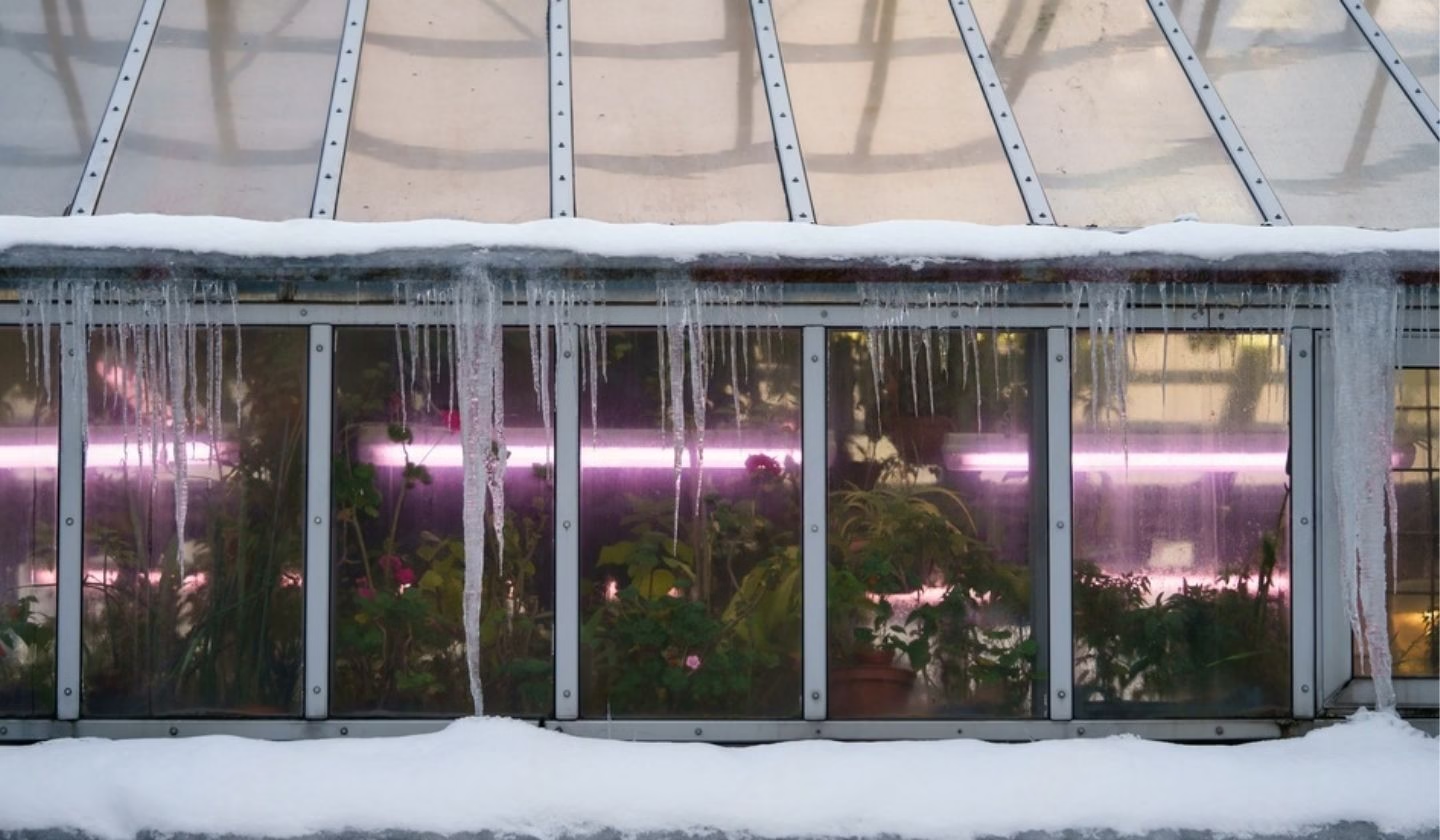
The freeze-thaw cycle starts when snow or ice melts as temperatures rise. When the weather cools again, the melted water freezes back into ice. This process starts on a roof, where snow melts during the daytime. The water gets into small cracks in shingles, under flashing, or along the edges of the roof.
According to the International Association for the Properties of Water and Steam (n.d.), each freeze increases trapped water volume by up to 9%, slowly widening small gaps in shingles, flashing, and roof membranes. When it warms again, the ice melts, allowing water to move deeper into those openings. This cycle repeats over and over, gradually creating freeze-thaw damage that worsens with each temperature swing.
Why you should worry about freeze thaw cycle roof damage?
According to the Minnesota Department of Transportation (2020), an average of about 86 freeze-thaw cycles occurred at one inch below the surface between October and April in Minnesota over a 10-year period. That means roofs face repeated melting and refreezing dozens of times each winter, even without major storms.
These cycles matter because frequent swings above and below freezing place steady stress on roof systems. Over time, this process leads to roof damage from freeze-thaw cycles that many homeowners do not notice until spring, when insulation, decking, and interior spaces may already be affected.
How Freeze-Thaw Cycles Damage Roofs Through Expansion
The science behind roof damage from freeze-thaw cycles is rooted in thermal cycling. Roofing materials expand when warmed and contract when cooled. Shingles, flashing, fasteners, and underlayment all respond differently to these shifts. When water freezes inside small gaps, the expansion forces those materials apart.
When it thaws, the gaps remain slightly wider than before. Over dozens of cycles, small imperfections turn into entry points for moisture, which is why roof damage from freeze-thaw cycles often develops without a single major storm.
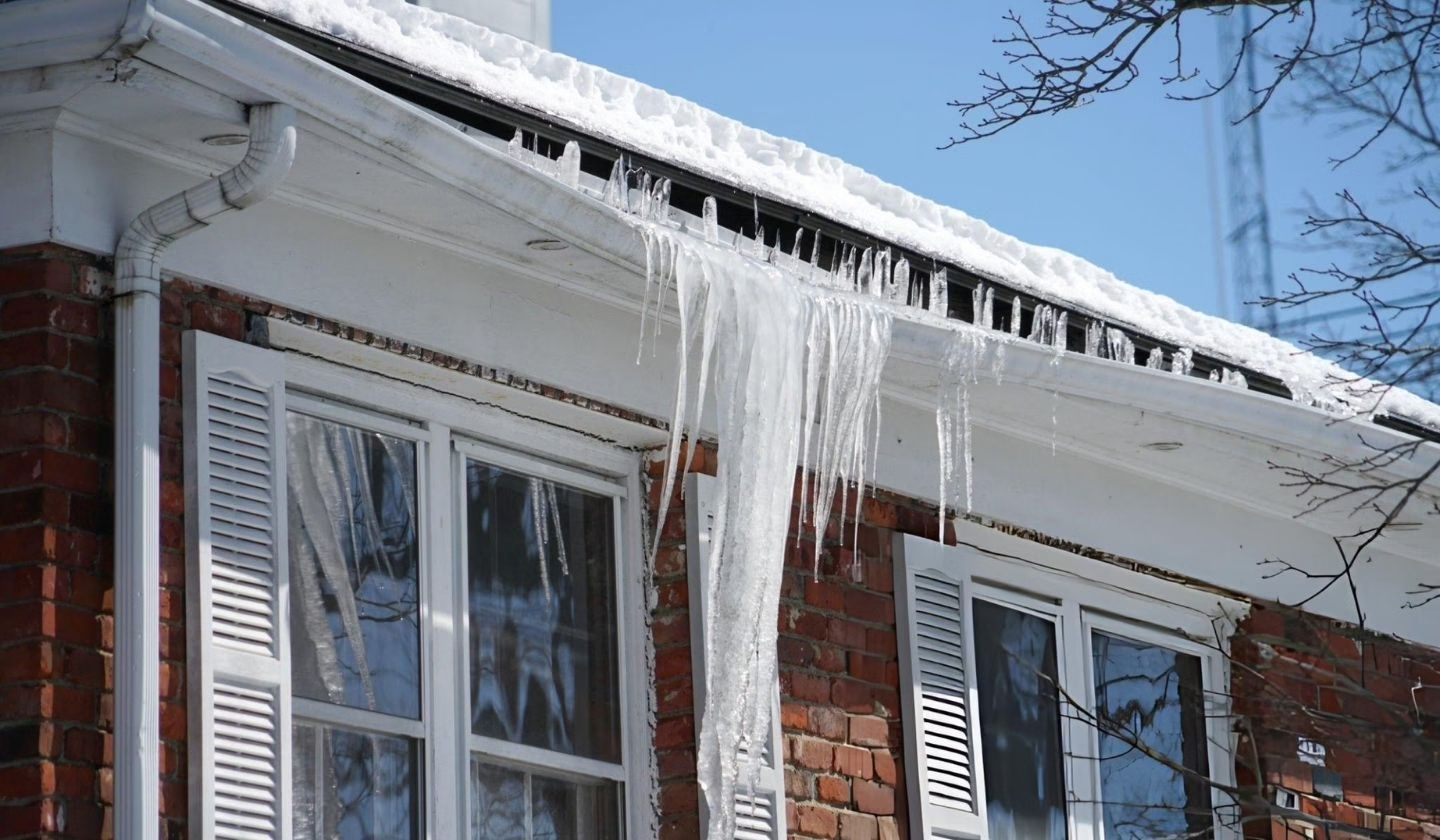
This activity also contributes to ice dam formation. As heat escapes from the home, snow melts higher up on the roof. That water flows downward until it reaches colder eaves, where it refreezes. As the season progresses, ice builds up and traps more melting snow behind it. The backed-up water has nowhere to go but under shingles and into the roof structure, accelerating winter weather damage.
This kind of slow, repeated stress doesn’t always show up right away, but it is already affecting buildings across Minnesota. According to the Minnesota Pollution Control Agency (2025), 30% of respondents reported that changes in winter conditions, including frequent freeze-thaw cycles and reduced snowpack, had measurable impacts on buildings and roof structures.
Why Minnesota Roofs Face Greater Risk
Minnesota winters are tough on roofs because temperatures can swing above and below freezing within hours. These cycles result in continuous melting and refreezing on rooftops, which heightens the chances of ice dams and leaks concealed in Minneapolis and Farmington houses.
The Minnesota Pollution Control Agency (2025) states that in 2023, there were 17 more days without freezing across the U.S. than usual. Freeze thaw cycle roof damage happens slowly and many homeowners do not notice until the following spring.
Signs Your Roof May Be Suffering from Freeze-Thaw Damage
The freeze-thaw cycles in winter can be deceptive. The following are signs to look out for outside and inside your home:
Exterior Freeze Thaw Damage Signs
- Shingles that are cracked, curled, or lifted
- Missing granules or bare spots on shingles
- Sloppy or distorted flashing of chimneys, vents, or rooftops
- Ice dams, which develop at the eaves, force water under the shingles.
Interior Freeze Thaw Damage Signs
- Stains on ceilings and walls due to water
- Attic moisture or condensation
- Mold growth in hidden areas
- Moist insulation or peeling paint
After a stretch of extreme cold or as the snow melts in spring, inspect your roof for any damage. Early identification will give you a chance to fix minor problems before they expand into an expensive repair.
Prevention and Protection Strategies for Minnesota Roofs
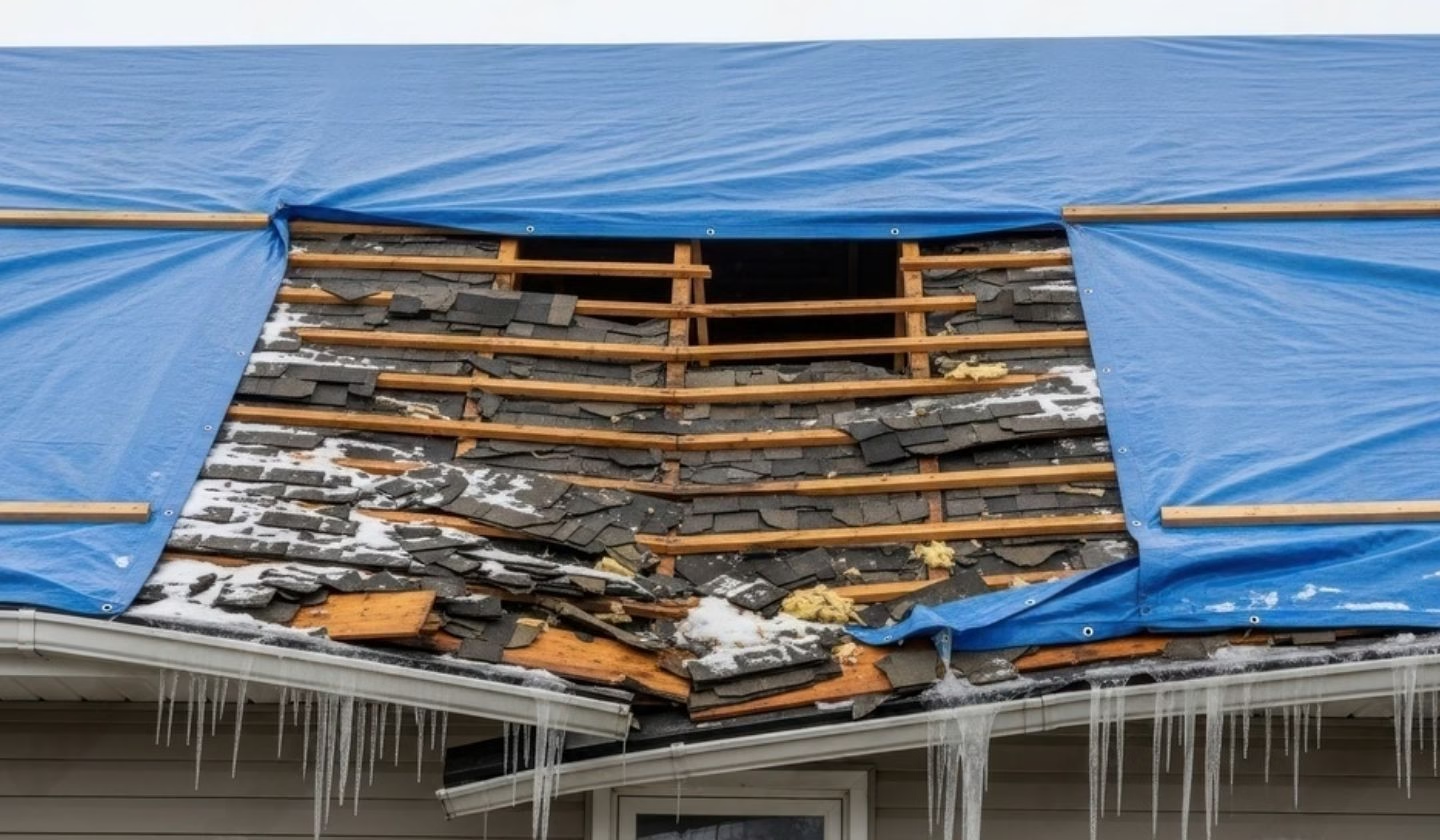
Minnesota winters are tough, and repeated freeze-thaw cycles can quietly damage roofs. The good news is that homeowners do not need to wait until there are leaks or obvious problems. You can safeguard against roof damage from freeze-thaw cycles and minimize the effects of winter weather through regular maintenance, smart upgrades, and professional assistance.
Simple Maintenance Steps to Protect Your Roof
Regular maintenance helps reduce freeze thaw cycles damages roofs. Here are some simple steps you can take:
- Check in the fall before the snowfall and after winter storms.
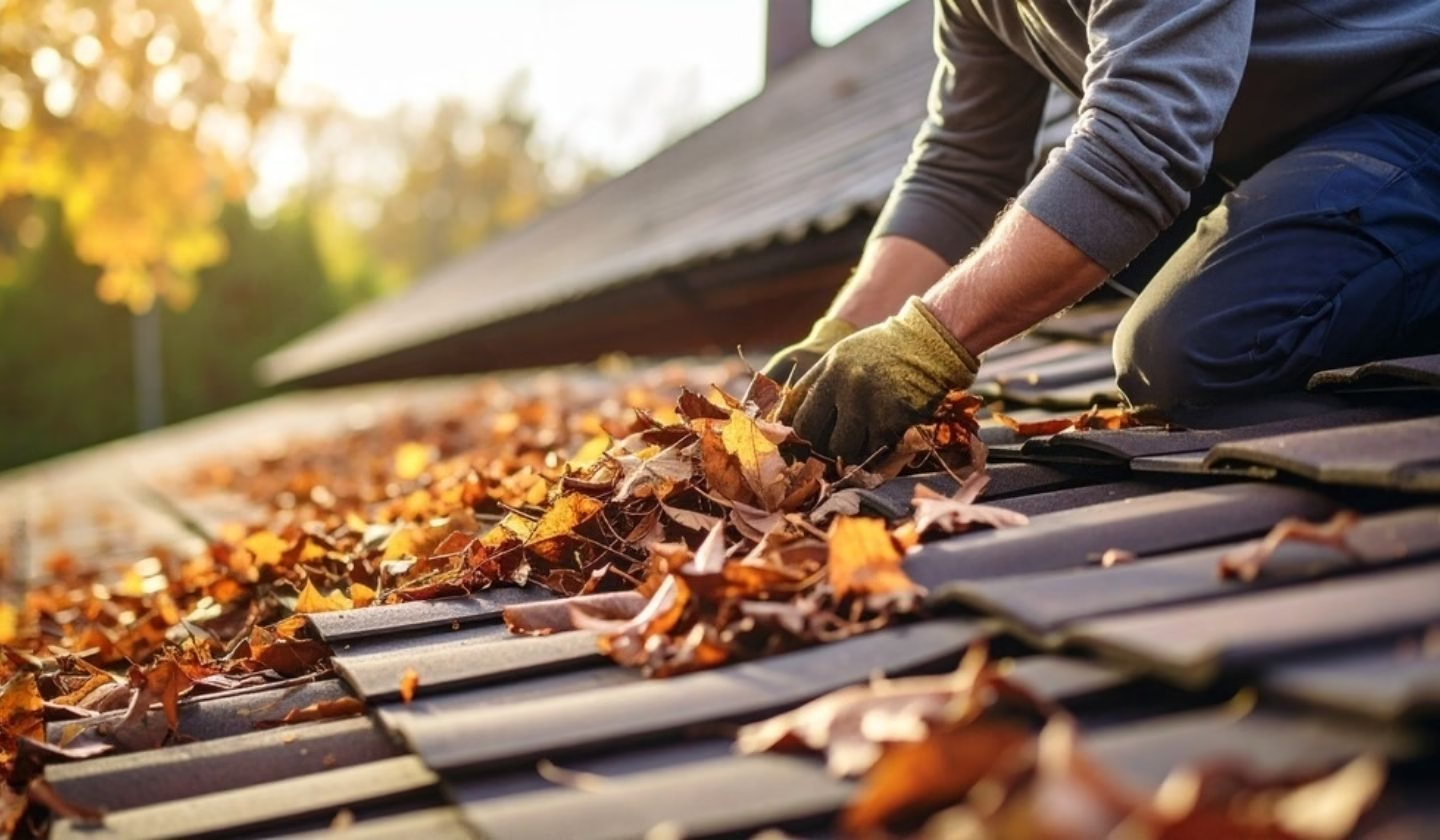
- Maintain clear gutters and downspouts so that they drain well.
- Clear snow off the bottom of the roof, 3-4 feet, using a roof rake.
- Check and reseal chimney, vent, and roof edge flashing.
- Check the external features like leaks, curling shingles, and deteriorated underlayment.
According to Home Inspection Trends (2025), 65 percent of roof problems identified during inspections could have been avoided with early recognition.
Upgrades for Long-Term Protection
A little smart upgrade can enable your roof to withstand freeze-thaw cycles and last longer:
- Insulate the attic (R-49 or more) and make sure that your ventilation is good.
- Install ice and water shields in roof edges, eaves, and valleys to avoid leakages.
- Apply flexible cold-weather roofing to flat or low-slope roofs.
- Make certain that all the flashing is well sealed and in proper condition.
- In case of heavy snowfall in your area, you can engage professionals to do the snow removal.
According to Owens Corning (2025), if you keep up with maintenance and add these upgrades, your home will have far fewer moisture issues over the years.
Why Partner with Superior Roofing Company in Minnesota for Annual Roof Inspection and Maintenance?

Winter roof work isn’t just hard; it can be risky, too. Icy surfaces, heavy snow, and steep angles make it easy to get hurt or cause more damage by accident. Instead of taking that risk, it is usually better to call in professionals for inspections, ice dam removal, or repairs.
Partnering with Superior Roofing Company for annual roof inspection and maintenance is not just a matter of convenience; it is an investment into the longevity of your roof. Minnesota’s extreme weather leaves no room for ignoring roof inspection. And the freeze thaw cycle roof damage does not occur when the damage is visible. By the time you see visible signs, you may already be neck-deep in repair bills that are yet to come.
With scheduled inspections, local expertise, and documented maintenance, you reduce long-term repair costs, preserve warranties, and prevent disruptions before they occur. If you value predictability over emergency expenses, now is the time to schedule your annual roof inspection with Superior Roofing Company. They know where problems tend to hide and can fix small issues before they turn into big ones.
Get a Professional Roof Inspection Today
Freeze Thaw Cycle Roof Damage happens silently and can be detected only in spring. Shingles may crack, flashing may lift, and ice dams may allow water to creep into the roof structure. The conditions cause winter damage to be expensive when uncontrolled and point to why homeowners in Minneapolis, Farmington, and other localities need to take action early.
There are a few easy preventive measures that will increase the life of your roof. Clean gutters, clear heavy snow, make sure the attic is well insulated, and use cold-weather materials or ice and water shields. Local professionals can spot minor issues early, preventing costly repairs.
Schedule a professional roof inspection Minnesota today to protect your home from freeze-thaw damage and costly winter repairs.
_______________________
References
Environmental Protection Agency. (2025). Climate trends and winter temperature fluctuations across the U.S. U.S. Environmental Protection Agency. https://www.epa.gov/climate-indicators/climate-change-indicators
Home Inspection Trends. (2025). Annual roof inspection report: Key findings on preventable damages. Home Inspection Trends.
International Association for the Properties of Water and Steam. (n.d.). Why does water expand when it freezes? https://www.iapws.org/faq1/freeze.html
Minnesota Department of Transportation. (2020). Environmental impacts task 2 report: Freeze-thaw cycles and pavement performance (Report No. DOT-58401). U.S. Department of Transportation, Research Hub. https://rosap.ntl.bts.gov/view/dot/58401
Minnesota Pollution Control Agency. (2025). Winter condition impacts on Minnesota buildings and roof structures. Minnesota Pollution Control Agency.
Owens Corning. (2025). Roof insight report: Maintenance and protection strategies for winter roofing. Owens Corning Roofing Solutions.
St. Olaf Natural Lands. (2025). Minnesota winter temperature trends: Observations and analysis. St. Olaf College.