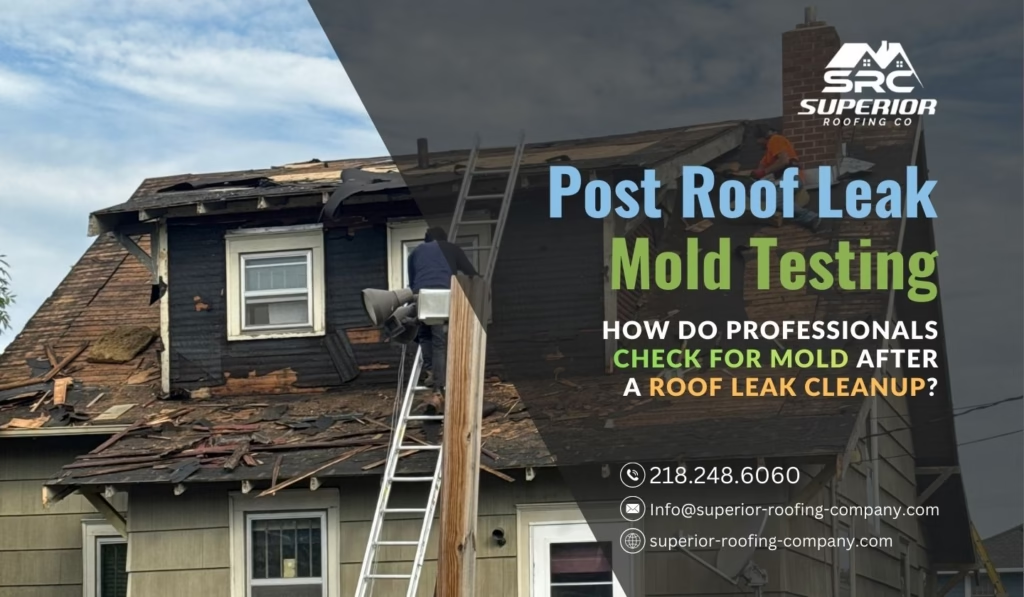
If you have recently had mold removed from your home due to a roof leak, you might be wondering, “Is it really gone?” Cleaning up the visible mold is just part of the job. The real concern is the hidden spores that can linger in your attic insulation, wall cavities, or on roof decking. Even if everything looks clean, those tiny spores can grow back if moisture from a faulty vent pipe or other roof leak remains. That is why it is important to have Wisconsin roofing contractors follow a step-by-step post roof leak mold testing after cleanup to guarantee your home is safe and dry. We coordinate with trusted, certified indoor environmental professionals to follow a step-by-step process that guarantees your home is safe and dry.
Why Post Roof Leak Mold Testing Matters
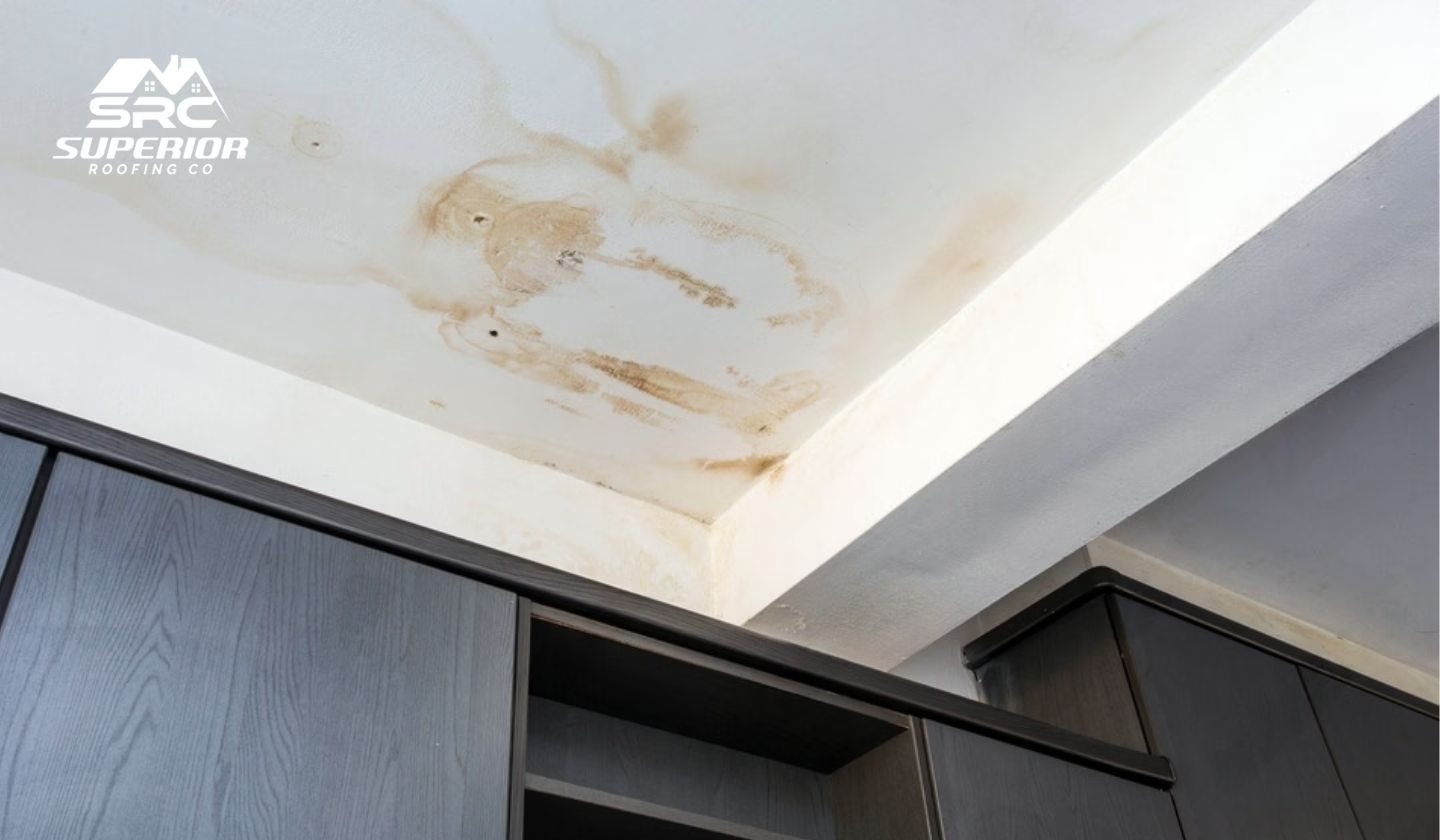
Some homeowners assume that once the roof is patched and the visible mold is wiped away, the job is done.
However, skipping verification can risk:
- Health issues such as aggravated allergies, asthma, or respiratory irritation.
- Structural damage to roof decking, framing, and insulation.
- Mold recurrence, leading to costly repeated cleanups.
Post roof leak mold testing provides certainty. The indoor environment is truly restored and this helps identify if the root cause – the water damage – has been completely solved.
Watch for Ongoing Warning Signs
In Wisconsin, with our heavy snow, ice dams, and seasonal storms, making certain mold is completely removed after roof-related water damage is of utmost importance. Even after professional testing, your senses are a good first alert. A lingering musty smell in your attic or upper floors can signal hidden mold. Also, look for visual clues like new water stains, peeling paint, or warped wood on ceilings or walls. Persistent issues often point to an unresolved moisture source – like a hidden roof leak that wasn’t fully addressed.
Also Read: Soffit and Ridge Vents Explained: Which Is Best for Your WI Home?
At Superior Roofing Company, we understand that a complete fix involves both repairing the roof and verifying the home is healthy inside. Let us examine the post roof leak mold testing steps that our roofing team follows to make sure mold growth after remediation does not occur.
1. Examining the Area Carefully
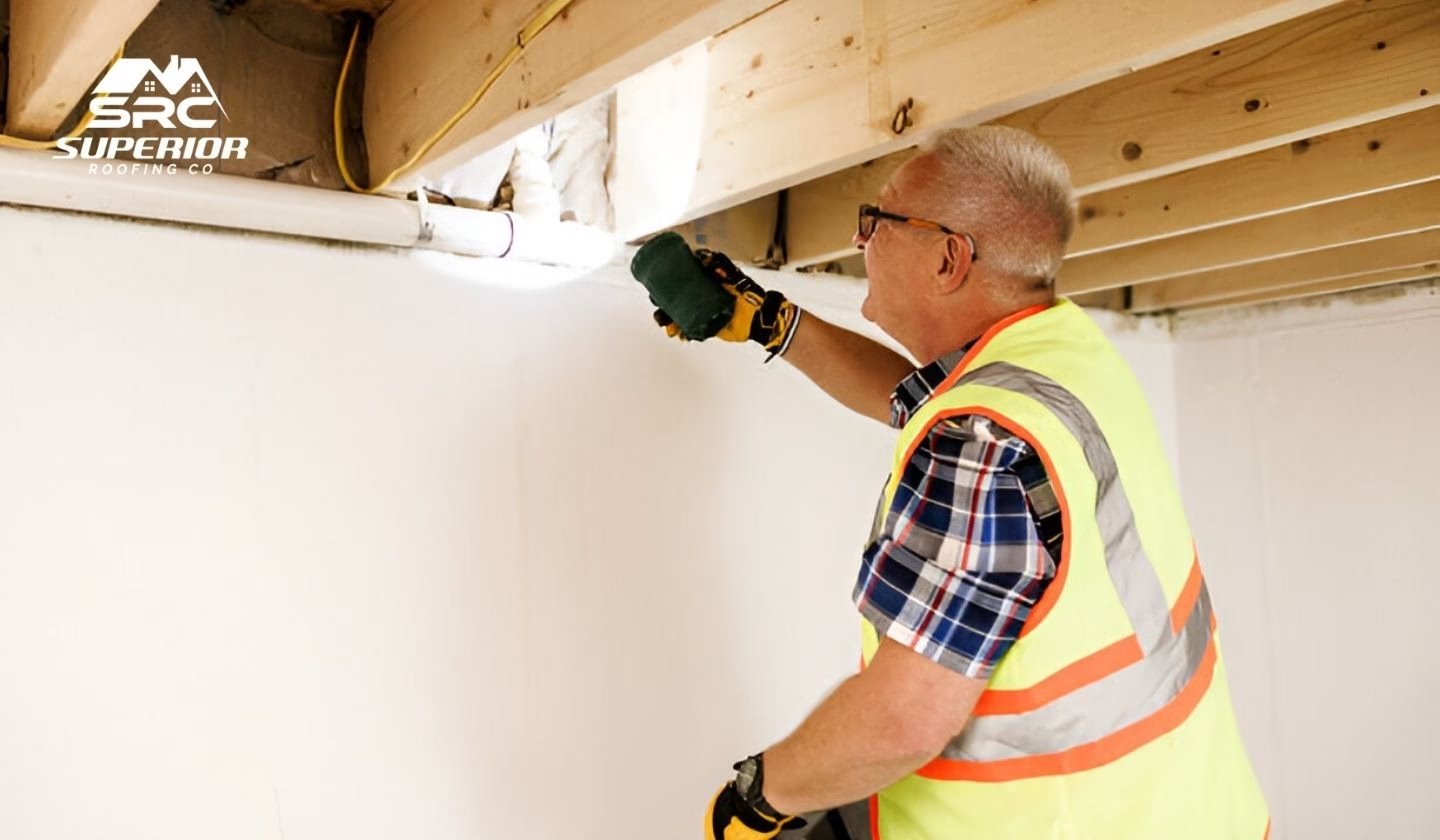
The first step is a thorough visual inspection. A specialist will examine your attic, ceilings, walls, and floors – areas directly impacted by roof leaks. They look for dark spots, stains, or fuzzy growth on insulation, rafters, and drywall.
They also check building materials like roof decking, wood framing, and insulation for remaining water damage or rot. If these materials aren’t fully dry or replaced, they can become a food source for returning mold. This visual inspection is the key, but it’s only the beginning.
2. Checking for Residual Moisture
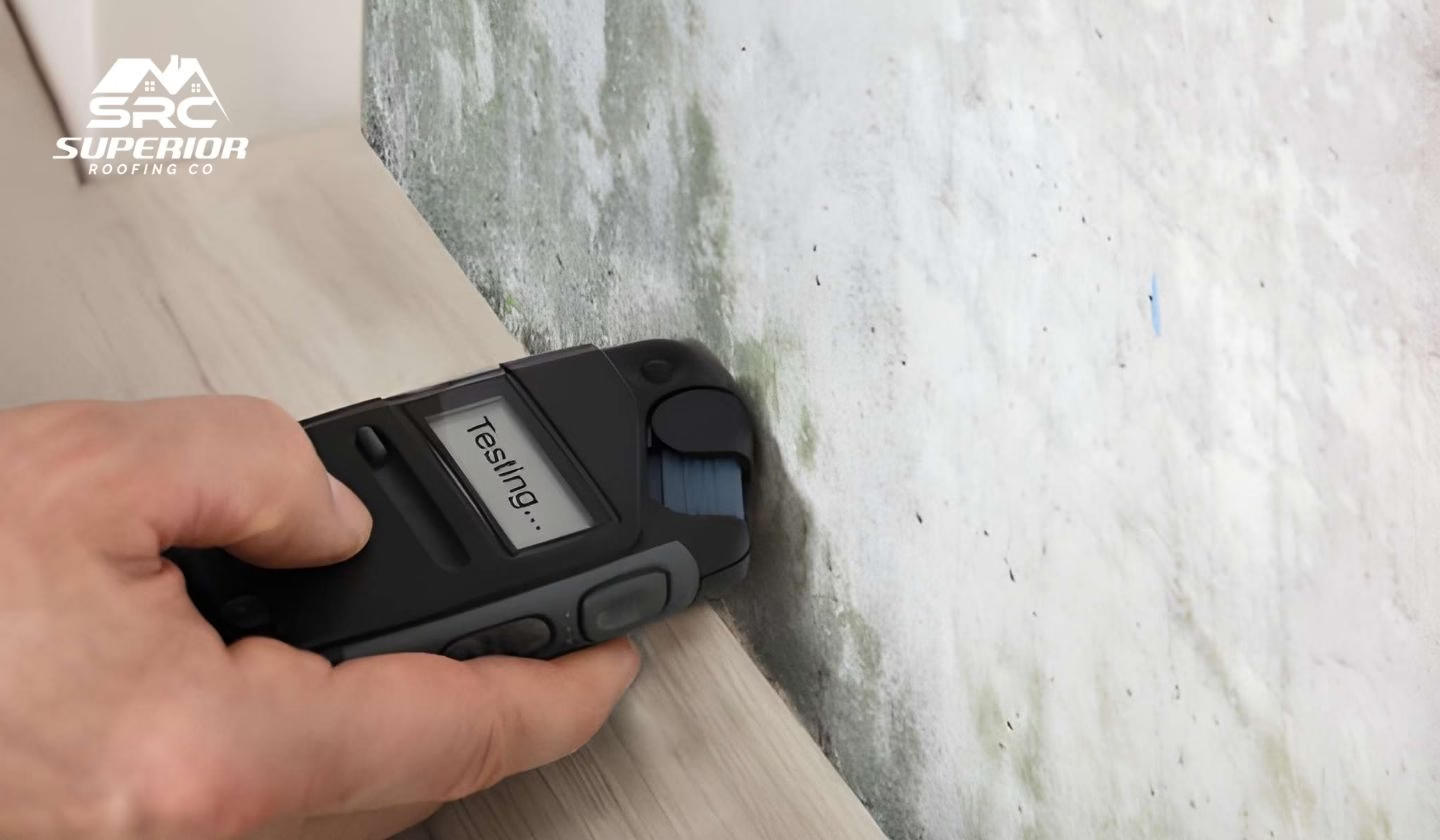
Mold thrives on dampness. In Wisconsin, attics and wall cavities that have been compromised by a leaking vent pipe, skylight, or valley are common trouble spots.
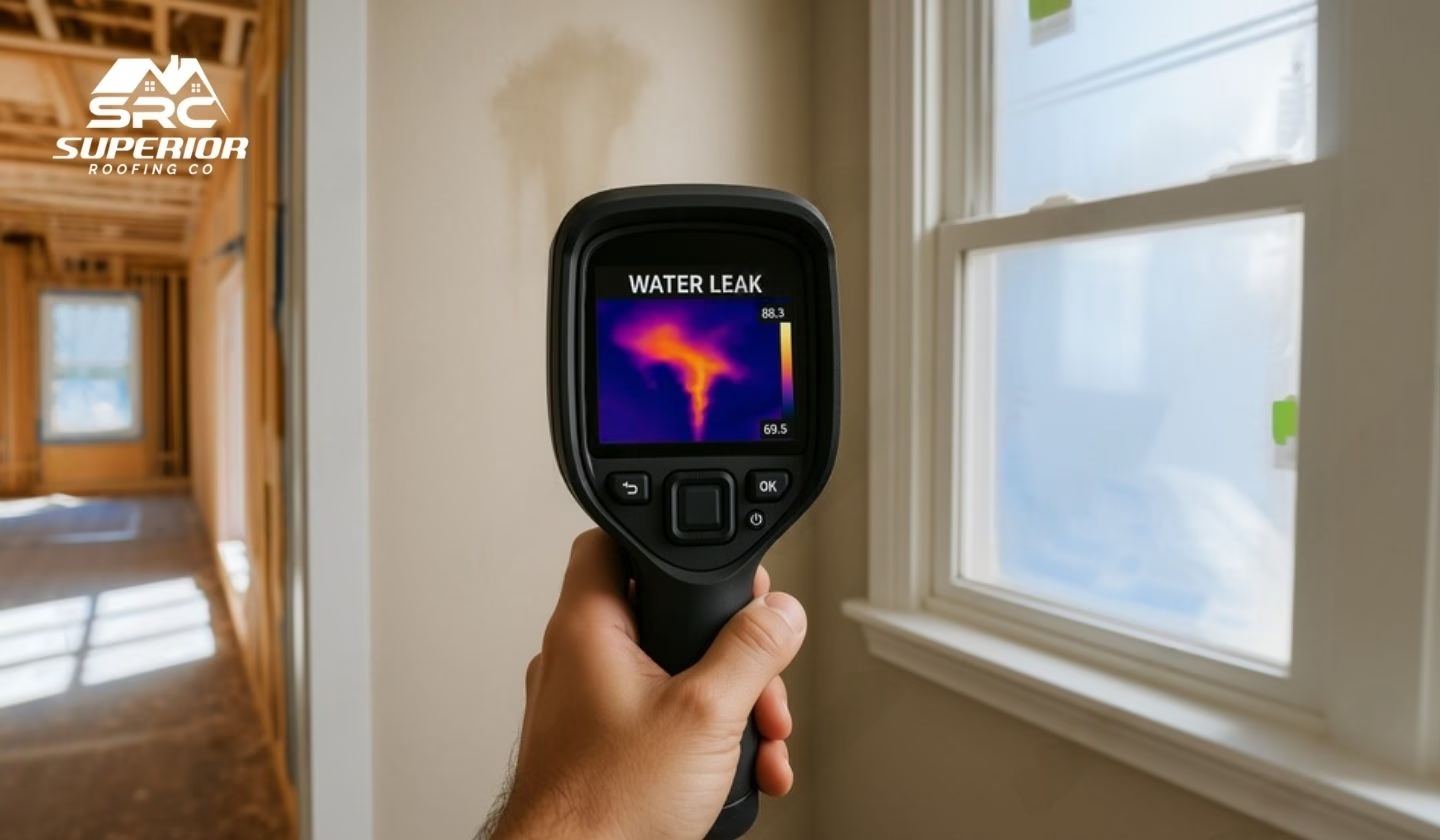
Inspectors use moisture meters and thermal imaging cameras to detect hidden moisture you can’t see. They will check behind walls, under insulation, and around roof penetration points. Any lingering dampness from the original leak can cause mold to regrow, so confirming everything is bone-dry is a non-negotiable step.
3. Testing the Air
Mold spores are microscopic and become airborne. Even if surfaces look clean, the air in your attic or living spaces could still be contaminated. Experts take air samples from inside your home and compare them to outdoor air samples. These samples are analyzed in a lab to identify spore types and concentrations, confirming whether the indoor air quality is safe.
4. Testing Surfaces
Mold can hide in porous materials like wood and insulation. Inspectors may take tape or swab samples from surfaces like attic rafters, sheathing, or the top of ceiling joists. These samples are examined under a microscope to detect any lingering spores.
Surface testing is especially important if musty odors persist or if household members continue to experience allergy-like symptoms after a roof leak repair.
5. Clearance Testing
The final step is often a clearance test. After remediation is complete, an independent inspector may perform a final assessment. This includes a visual inspection, moisture readings, and final air or surface tests.
When all parameters pass, you receive a clearance report. This document is vital for your peace of mind and can be important for home insurance claims or if you plan to sell your home.
How Superior Roofing Company Helps
At Superior Roofing Company, we know that a lasting roof repair addresses both the exterior and the interior impact. While our expertise is in stopping water at its source, we make sure our clients have the resources for a healthy home. We can coordinate with trusted indoor environmental professionals who perform these detailed post-cleanup checks using moisture meters, air tests, and surface sampling.
If an inspection reveals that moisture persists due to a related roofing issue, our team is ready to address it immediately. Our goal is your complete peace of mind: a dry, sound roof and a safe, healthy home.
The Bottom Line
Cleaning up mold is only part of the solution after a roof leak. Professional post roof leak mold testing is what delivers confidence. From visual attic inspections to scientific air sampling, these steps ensure mold isn’t hiding in your insulation or walls.
Don’t assume your home is safe just because the leak is patched. Verification testing provides real assurance, and if any issues are found, they can be resolved before causing more damage to your home and health.
Ready to guarantee that your home is completely safe after a roof leak? Contact Superior Roofing Company today. We’ll help you secure a dry, durable roof and guide you toward maintaining your indoor space so it is clean and healthy.