One week, its heavy snow sitting up there like a weighted blanket. Next, its summer heat baking the shingles. I have walked plenty of attics across southeastern and central Wisconsin, and I can tell you, most roof problems I see don’t start with bad shingles. They start with air that has nowhere to go. That’s where soffit and ridge vents, Wisconsin homeowners rely on, come into the picture. People ask all the time which vent is better, which one they really need, or if snow makes ridge vents useless. Let’s break down what actually works for our roofs here.
Importance of Roof Ventilation in Wisconsin
If you have owned a home in Wisconsin long enough, you already know this: our roofs go through a lot. The Wisconsin climate always creates a push-pull effect inside your attic. During summer, heat accumulates fast under the shingles, while in winter, warm air from your home rises and goes upward to the cold roof deck. Due to insufficient airflow, the trapped air causes issues that become more pronounced over time. These issues include leaks, ice dams, or warped shingles.
Good roof ventilation systems WI homes depend on doing one thing well: they move air in and out in a steady loop. That loop protects the roof structure and helps indoor comfort without forcing your HVAC system to work overtime.
Difference Between Soffit and Ridge Vents
Picture your attic as a breathing space of your home to understand the difference between soffit and ridge vents clearly.
Soffit Vents: Where Fresh Air Comes In
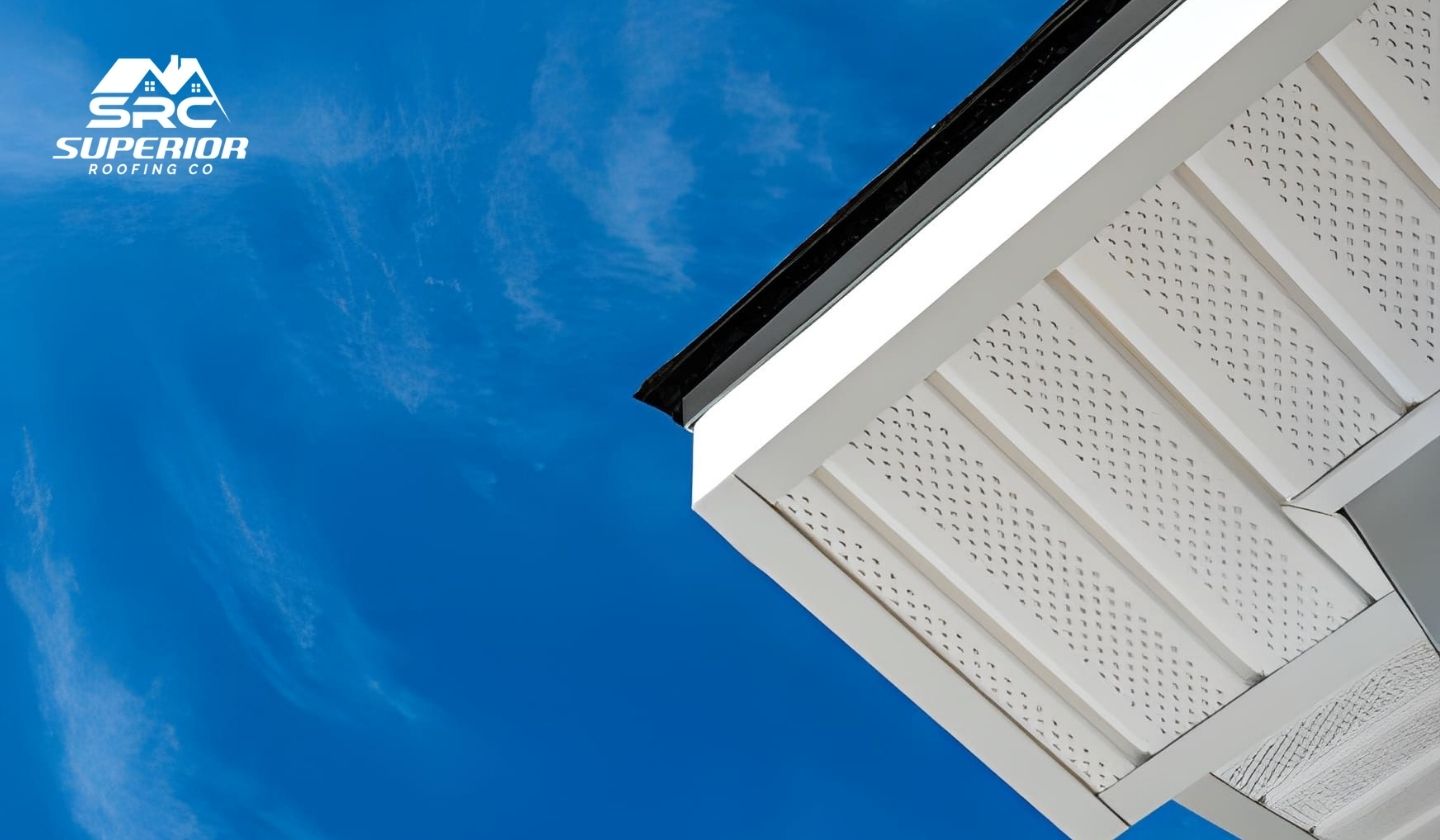
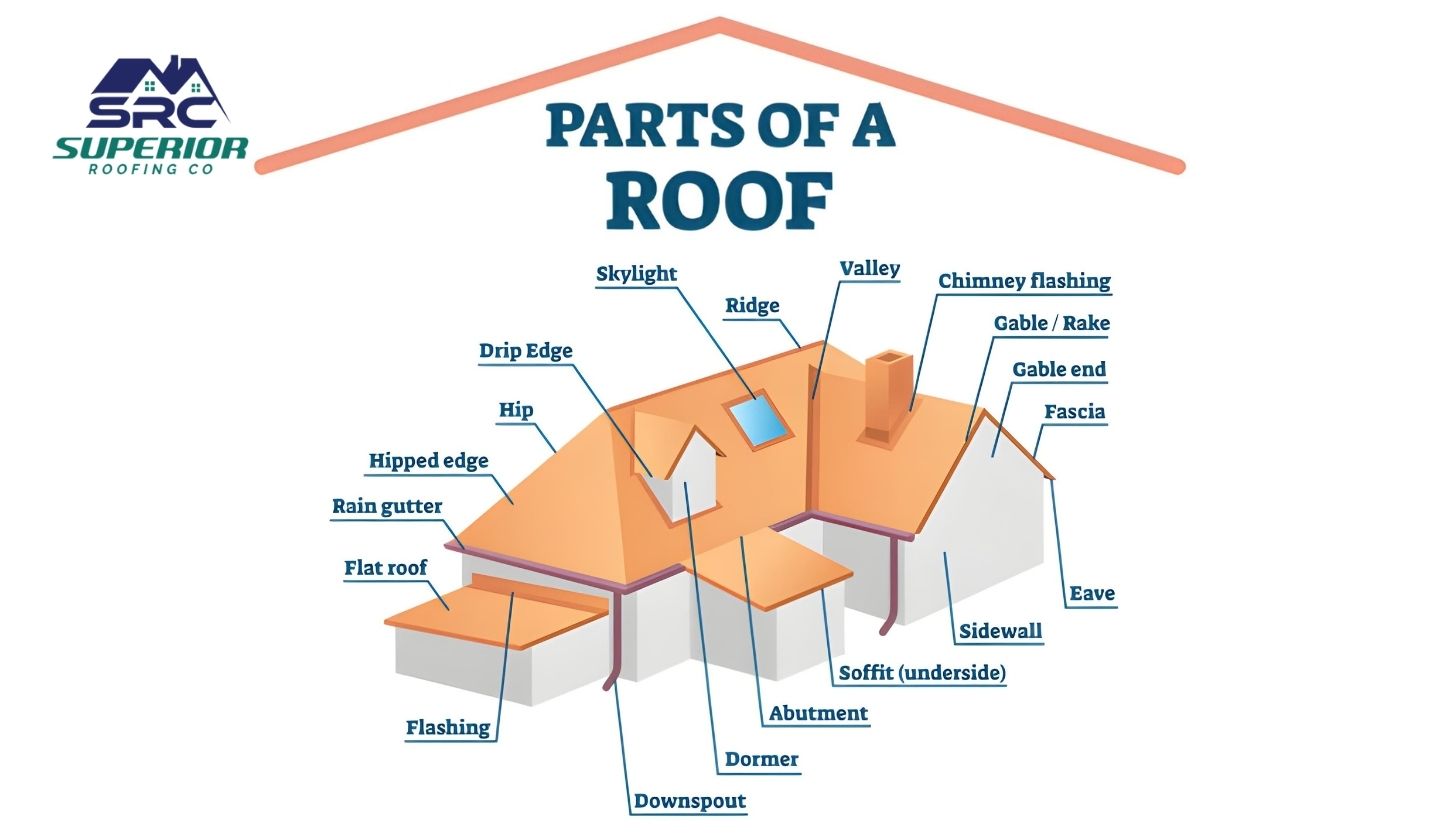
Soffit vents sit under the eaves, right where the roof overhang meets the wall. They act as the intake side of the system.
Here’s what a soffit vent does:
- Soffit vents pull cooler outdoor air into the attic at the lowest point.
- They help reduce moisture buildup that can lead to mold or damp insulation.
- Proper soffit airflow keeps the roof decking from overheating in summer.
Without working soffits, air has no starting point. That’s why intake vs exhaust ventilation matters so much.
Ridge Vents: Exit of Hot Air
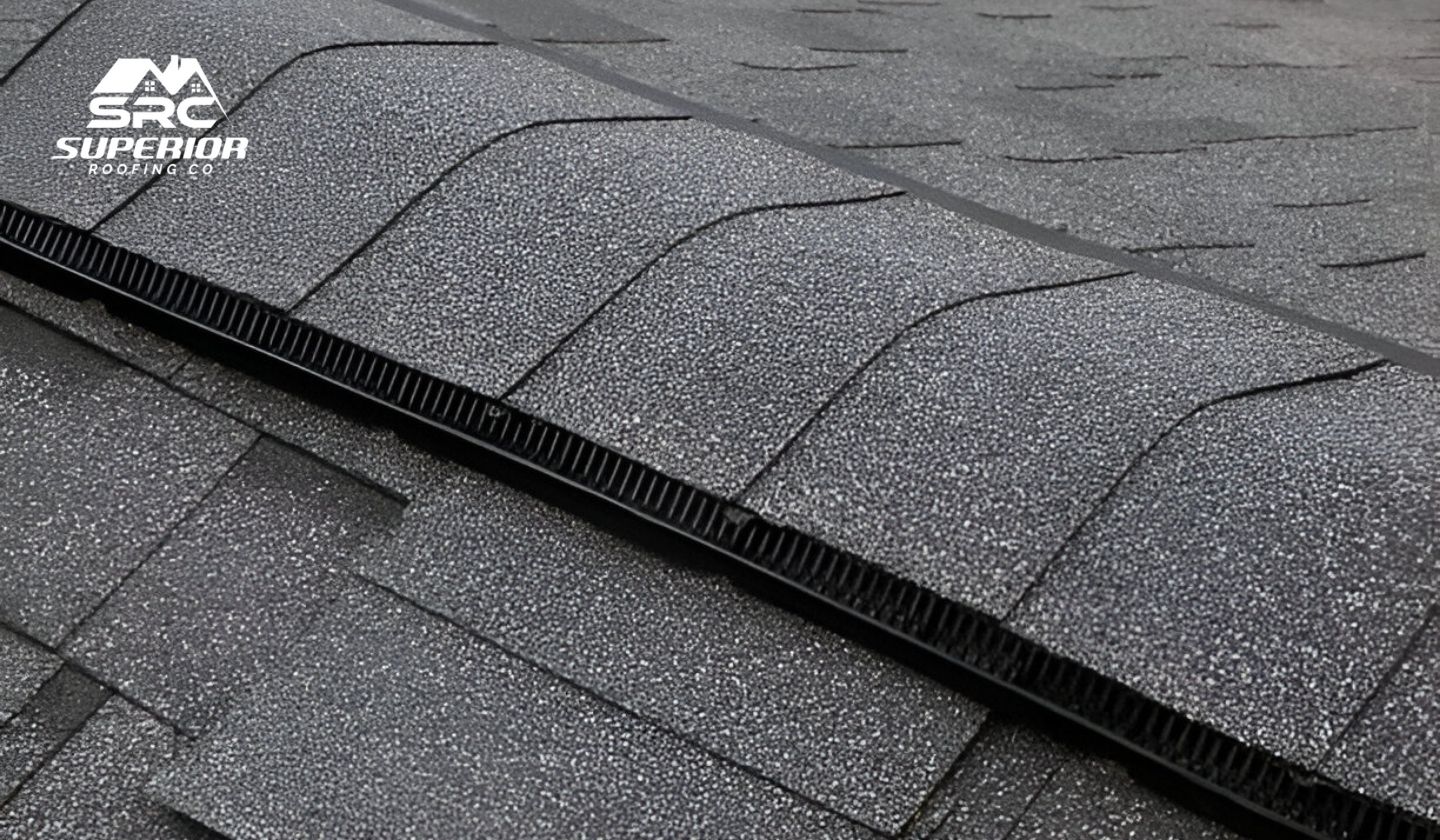
Ridge vents run along the roof’s peak. They are designed to let rising warm air escape naturally out of your home.
Here’s what a ridge vent does:
- It releases hot, moist air at the highest point of the roof.
- It blends into the roofline, so there’s no bulky vent sticking up.
- It supports balanced attic airflow when paired with soffits.
This is why the ridge vent vs soffit vent debate misses the bigger picture. One brings air in. The other lets it out.
Do You Need Both Soffit and Ridge Vents?
Short answer: yes, in most Wisconsin homes, you do.
Air always needs a path. If you only have ridge vents, the attic struggles to pull in fresh air. If you only have soffit vents, the air comes in but has nowhere to escape.
Here’s how balanced airflow actually works in real homes:
- Intake vents (soffits) feed fresh air into the attic.
- Exhaust vents (ridge vents) release trapped heat and moisture.
- The steady movement protects shingles, decking, and insulation.
Most homes we work on at Superior Roofing Company improve once the soffit and ridge vents in Wisconsin are paired correctly.
Also Read: Chimney Flashing Repair Wisconsin: Costs and Process
Are Ridge Vents Effective in Snowy Climates like Wisconsin?
This is one of the most common concerns among Wisconsin homeowners, especially after a heavy January snowfall. Yes, ridge vents still work, even in snow-heavy areas like Madison, Milwaukee, and Green Bay.
Modern ridge vents are designed to:
- Sit higher than drifting snow levels.
- Allow airflow even when snow is present.
- Reduce ice dam risk by keeping attic temperatures more stable.
Problems usually come from poor vent installation, not snow itself. A properly installed continuous ridge vent won’t leak just because winter shows up.
Also Read: Plumbing Vent Pipe Roof Repair Wisconsin: Roof Plumbing Vent Pipes, Common Issues, and Repairs in WI
Quick Comparison of Common Attic Vent Types
Here is a quick overview of common attic vent types in Wisconsin homes:
| Attic Vent Type | Where It’s Installed | Primary Role | How It Performs in Wisconsin |
| Soffit vents | Under the roof eaves | Brings fresh air into the attic (intake) | Works well year-round when kept clear of insulation and debris |
| Ridge vents | Along the roof peak | Releases warm, moist air (exhaust) | Performs well even in snowy conditions when installed correctly |
| Gable vents | On exterior attic walls | Mixed intake and exhaust | Less effective alone in WI’s cold winters |
| Box or roof vents | Near the rooftop | Exhaust only | Can help, but often disrupts balanced airflow |
Choosing the Right Setup for Your Wisconsin Home
Every home is different. Roof pitch, attic size, insulation depth, and even nearby trees play a role. When Superior Roofing Company assesses roof ventilation systems WI homeowners ask about, we look at:
- Existing soffit openings and blockages.
- Ridge length and roof layout.
- Signs of past moisture or heat stress.
- Local weather exposure, especially wind and snowdrift patterns.
Homes in older Wisconsin neighborhoods often need adjustments to bring airflow back into balance without changing the roof’s appearance.
Also Read: Roof Pipe Boot Replacement Wisconsin: Why Proper Roof Pipe Boots Matter in Wisconsin’s Climate
Soffit and Ridge Vents Wisconsin Homeowners Can Rely On
If you are deciding where to start, here’s my honest take after years on Wisconsin roofs: don’t think of this as choosing one vent over another. Think of it as building a system that lets your roof breathe year-round.
Soffit and ridge vents Wisconsin homes use together offer a steady airflow path that handles both January freezes and July heat. When installed correctly, they quietly do their job without drawing attention until years later, when your roof still looks solid.
If you ever want a real-world look at how your attic airflow is behaving, Superior Roofing Company checks this during roof inspections Wisconsin. No pressure, straightforward, clear answers based on what your roof is actually dealing with up there.
Your roof works hard for you. Giving it the proper airflow is one of the smartest ways to help it last through many Wisconsin seasons ahead.