Your shingles can look perfect, your gutters can be clean, and yet a small opening around a pipe can quietly let water into your home. That’s how sneaky roof leaks usually start.
Every roof has openings. Vents, pipes, exhaust fans, skylights. These are called penetrations, and if you don’t seal roof penetrations the right way, water will always find its path inside. Ceilings get ruined, and insulation gets soaked because one small seal failed.
Let’s explore how roof penetration sealing actually works, which materials matter, and when it’s time to stop patching and call a pro like us at Superior Roofing Company.
What Are Roof Penetrations?
Roof penetrations are any points where something passes through your roof surface. These areas break the natural flow of shingles and create spots where water can slow down, sit, or push inward during storms. You’ll usually find penetrations around plumbing vent pipes coming from bathrooms and kitchens, vents of furnaces and water heater exhausts, and attic ventilation pipes.
Each one needs its own protection system. If even one penetration is poorly sealed, it can undo the protection of the rest of the roof. That’s why these areas should be treated with extra care.
Why Roof Penetration Sealing Fails Over Time
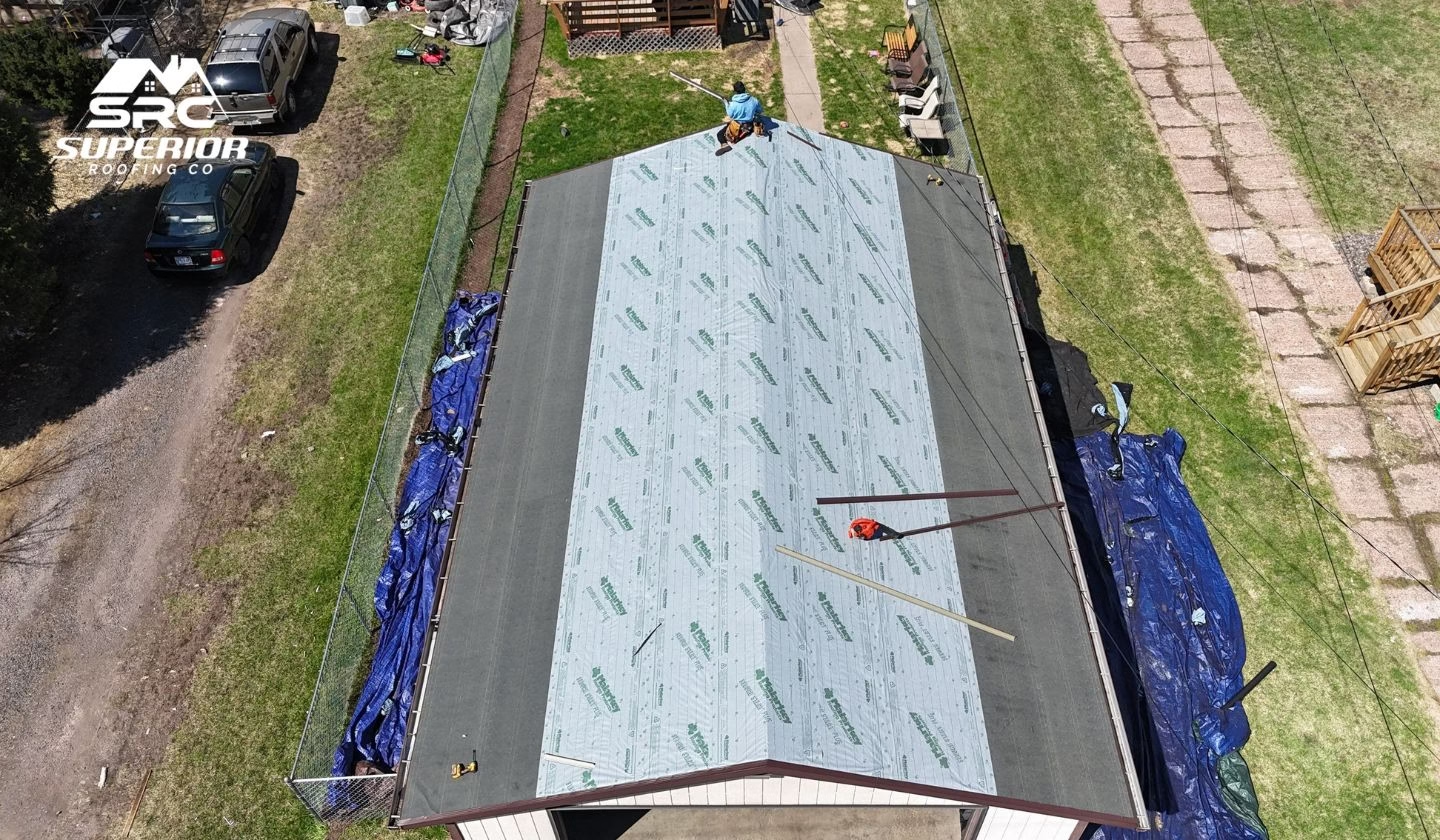
I hear this question a lot: “Didn’t we already seal that?” Yes, but seals don’t last forever. Weather conditions, sunlight, and roof movement slowly break down the seal. In Wisconsin winters, ice dams often make penetration problems worse by forcing melting snow to back up around vent bases and flashing.
Here’s what usually causes seal failure:
- The roof sealants dry out and crack because of years of sun exposure.
- Rubber boots surrounding the vent pipes split because of temperature changes.
- The roof expands and contracts because of the changing climate. The nails around the flashing loosen slightly.
Imagine discovering mold in your attic after one bad winter. Once caulking failure starts, water doesn’t rush in all at once. It creeps in slowly, soaking wood and insulation before you ever see a stain indoors.
What are the best materials for sealing roof penetrations?
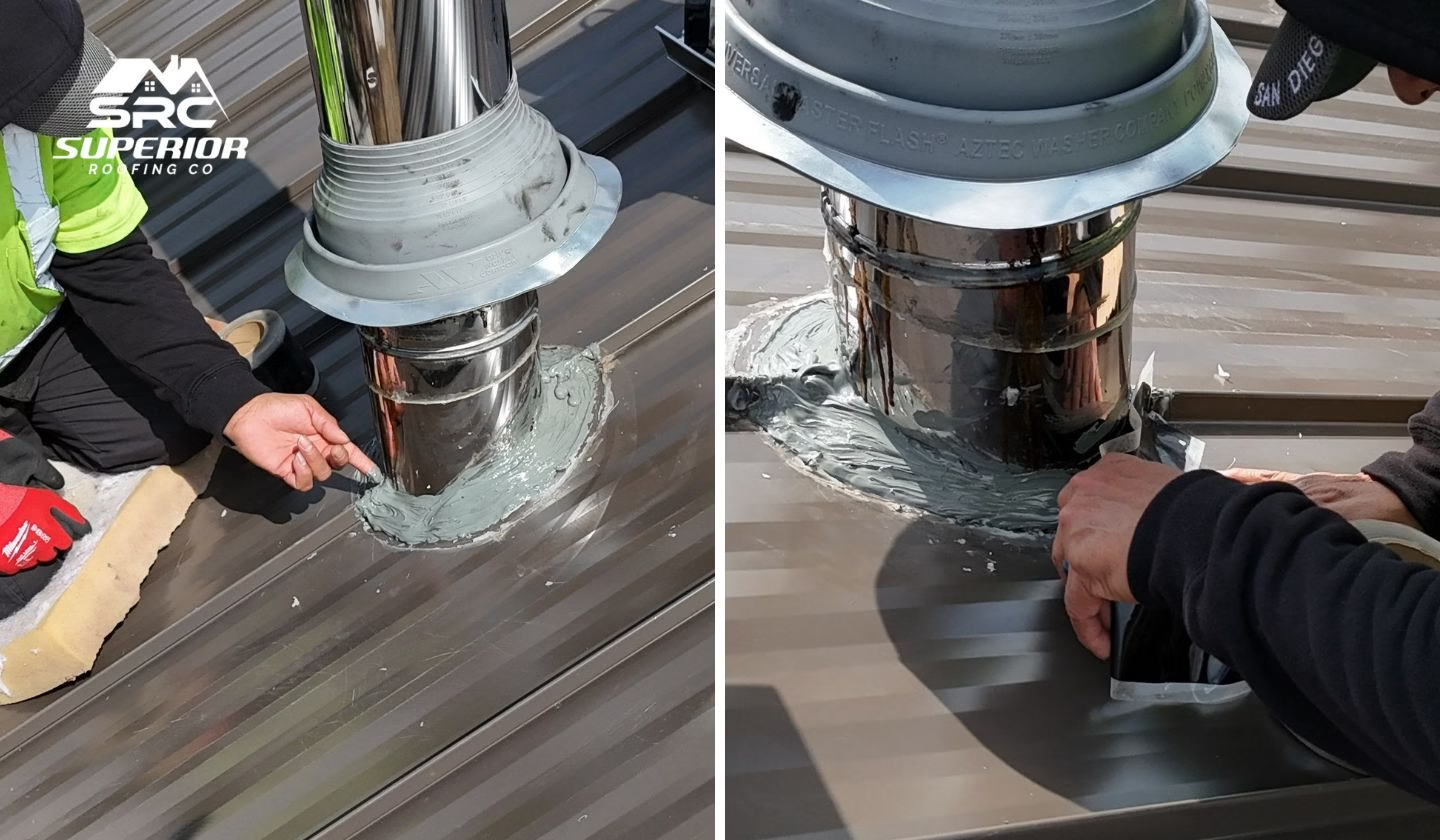
Not all materials work the same on a roof. Here in Wisconsin, I’ve observed cheap sealants fail within a season, while quality materials hold your roof strong for years. In many homes, EPDM rubber boots are popular for plumbing vents because they stay flexible through heat, cold, and seasonal movement. For exhaust vents that release warm air, a high-temperature silicone sealant holds up better than standard products and resists cracking over time.
A combination of materials is used that work best together to properly seal roof penetrations:
- Metal or rubber vent boots matched to the pipe size.
- Roofing sealant designed for outdoor exposure, not basic hardware caulk.
- Flashing collars that wrap tightly around pipes and sit under shingles.
- Waterproof membranes are installed beneath flashing in high-risk areas.
Each layer plays a role. Flashing redirects water. The sealant closes small gaps. Lastly, the membrane adds backup protection. Skipping any of these often leads to vent flashing repair sooner than expected.
Vents, Pipes, and Other Penetrations Require Alternative Methods
Not all penetrations are sealed the same way. A plumbing vent is not like a skylight or exhaust fan. Homeowners do not always know that.
For example, vent pipes should have boots that conform to the thermal expansion and contraction of the pipes. The exhaust vents should have flashing that is heat and moisture resistant. Skylights use extensive layered flashing systems rather than sealant.
When all things are treated using one method, it tends to lead to future trouble. This is why we align the sealing technique and the type of penetration, rather than just the roof style.
Also Read: Soffit and Ridge Vents Explained: Which Is Best for Your WI Home?
How Do You Seal Roof Vent Pipes?
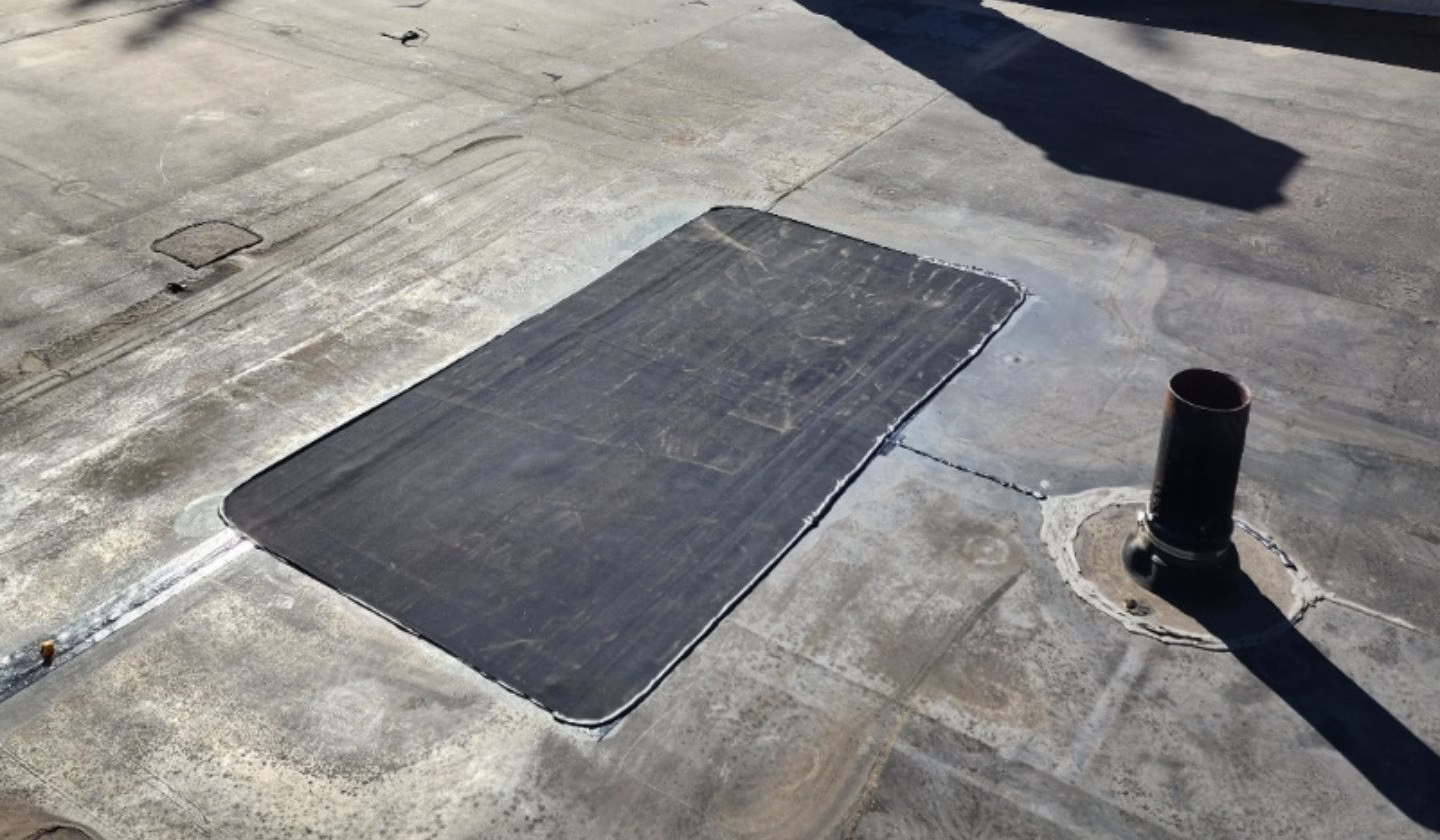
This is where I see a lot of “do it yourself” attempts go wrong. Sealing a roof vent pipe isn’t just squeezing sealant around the base and calling it done. There’s a process that works when done right.
Here’s how proper roof penetration sealing around vent pipes usually happens:
- First, the old boot or damaged flashing is removed so hidden cracks don’t stay trapped underneath.
- Next, a new flashing collar or vent boot is fitted snugly around the pipe.
- Then, shingles are layered back over the flashing so water flows naturally downward.
- Finally, roofing sealant is applied only where needed, not smeared everywhere.
When done correctly, the seal stays flexible and moves with the roof instead of fighting against it. That movement is what helps with long-term roof leak prevention.
Signs Your Roof Penetration Seals Are Failing
For spotting the trouble, you don’t always need to climb onto your roof. Here in Wisconsin, most of the warning signs often show up first, mostly after a long winter season or heavy spring rains.
You should watch for the following three signs:
- Brown stains start appearing near your bathroom or kitchen. These stains usually appear after snow piles up on your roof and then slowly melts.
- A musty smell is all around your home after heavy rain.
- Damp insulation in your attic near vent pipes is also one of the most common issues when ice buildup pushes the moisture in small gaps.
If you notice any of these signs, then there’s a good chance that the problem started around a roof penetration. In Wisconsin’s tough weather conditions, small seal failures don’t stay small for long. Catching them early can save you from bigger repairs and can save you a lot of money.
Why Professional Sealing Makes a Huge Difference?
Most homeowners try to handle small roof repairs themselves. However, roof penetration sealing is one of those repairs in which details matter the most. Using the wrong sealant or misplacing one nail can cause leaks that make a small issue spiral out of control.
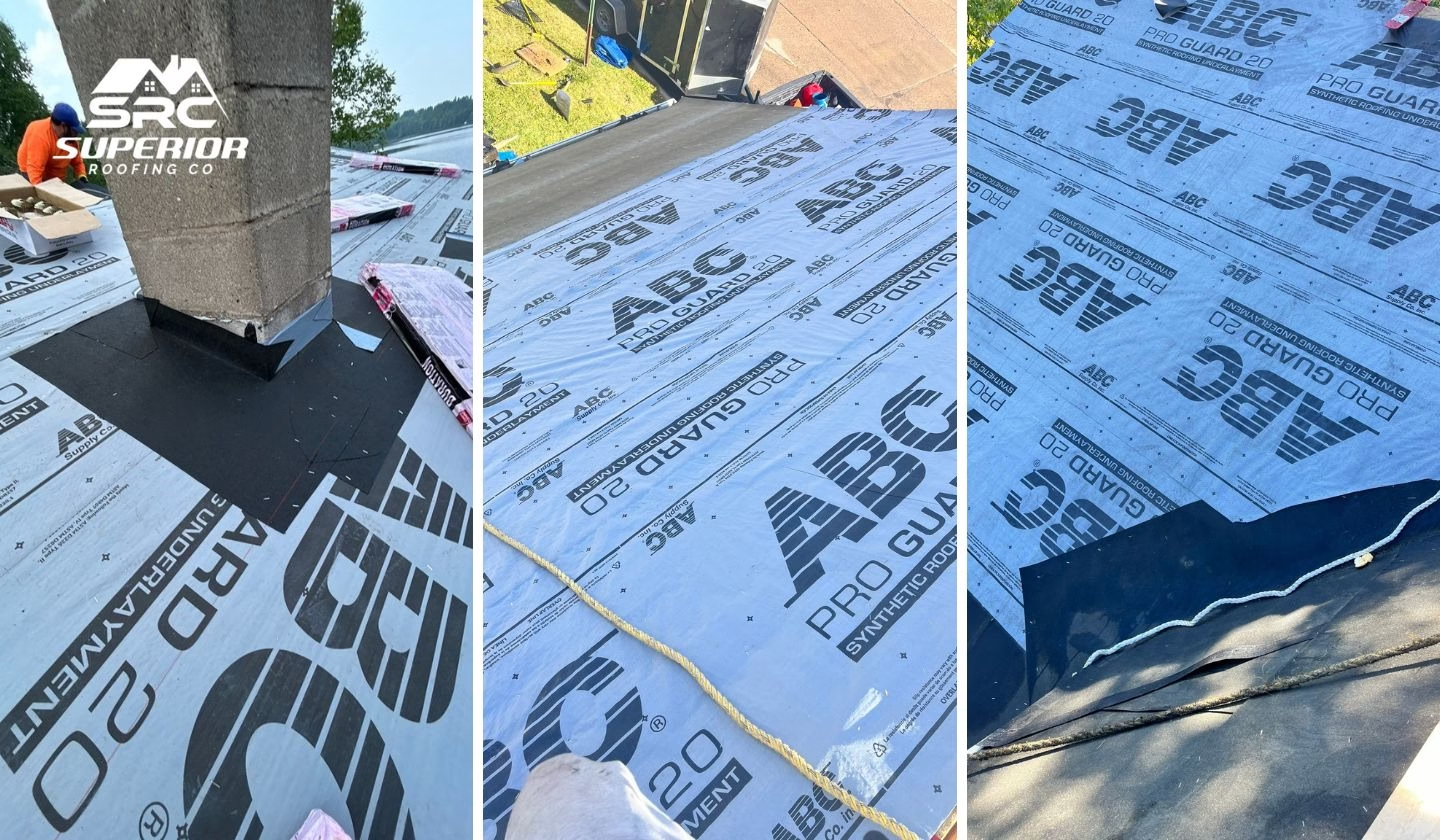
At Superior Roofing Company, our experts don’t just seal roof penetrations. They inspect your roof closely, from checking surrounding shingles to flashing alignment. The extra attention to every detail during our roof repairs is what keeps small openings from turning into big problems.
If you want reliable roof repair Wisconsin, call us today at (218) 248-6060 to get an instant quote. Penetrations deserve just as much care as the rest of your roof. When they are sealed right, you won’t have to think about them every time it rains, and that peace of mind is worth it.