How to Measure Roof Pitch: A Simple Guide
Knowing the slope of your roof is important. It helps when you need repairs or replacements or when planning any roofing work. The slope, or pitch, affects how water drains, which materials you can use, and even how your roof handles weight. At Superior Roofing Company, we want to make it easy to understand and measure roof pitch yourself safely.
What Roof Pitch Means
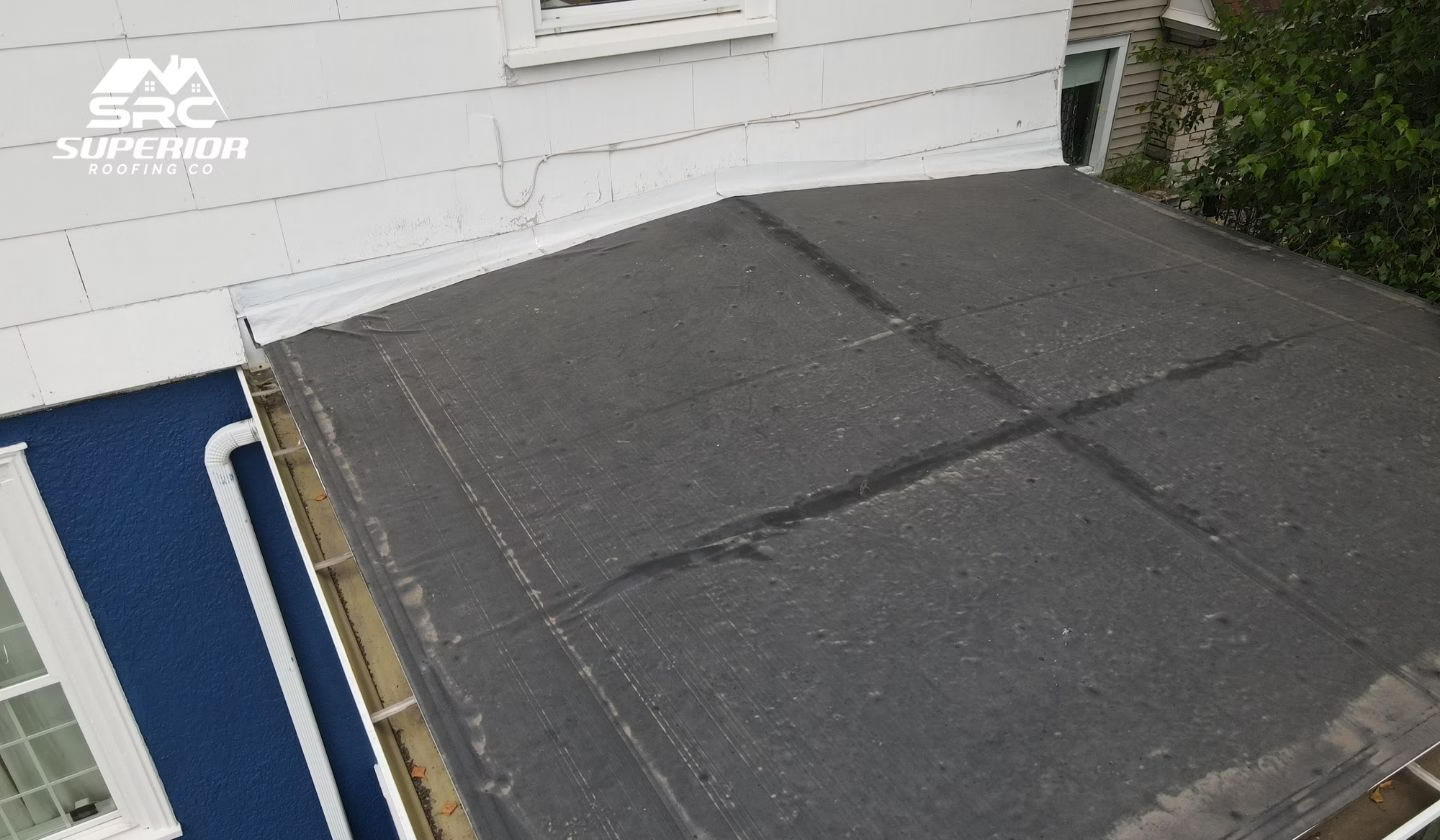
Roof pitch is simply how steep your roof is. When you determine roof pitch, it is measured as the vertical rise compared to the horizontal run. For example, if a roof rises 4 inches for every 12 inches it goes across, it has a 4/12 pitch. The higher the first number, the steeper the roof. If you are looking at a 12/6 roof pitch, that means the roof rises 6 inches for every 12 inches of run.
How to measure roof pitch is important. Some roofing materials only work on certain slopes. A steep roof sheds water and snow more easily, while a flatter roof may need extra protection to prevent leaks. The pitch also affects attic ventilation and how strong the roof structure needs to be. Following standard roof pitch guidelines helps keep your home protected.
Understanding and calculating roof pitch also assists when planning gutters or drainage. A roof with a low slope may require big gutters or additional drainage channels to prevent water from pooling. Steeper roofs generally allow water to run off faster. It reduces the chance of leaks or water damage over time.
What You Need to Measure
You do not need a lot of gadgets. When attempting to measure roof pitch, just gather:
- A tape measure
- A carpenter’s level
- Pencil and paper
- A calculator if you want
How to Measure from the Roof
Here is how to measure the pitch of a roof using the simplest methods.
Stay Safe
If you climb on the roof, be careful. Make sure your ladder is secure, and wear gloves and a helmet. If your roof is very high or steep, it is safer to have a professional do it. Even experienced homeowners should use caution because a fall can cause serious injury.
Place the Level
Set your level on a flat part of the roof. If you cannot safely get on the roof, you can do this from inside the attic when measuring a roof from below.
Mark and Measure
From one end of the level, measure 12 inches along it. Mark that spot. Then, measure straight down from that point to the roof surface. This is the rise. Getting an accurate tape pitch measurement here is key to the final result.
Calculate the Pitch
If your level is 12 inches long, the vertical distance you just measured is your rise. Your roof pitch is that number over 12. For example, if you measure 5 inches, your roof pitch measurement is 5/12.
Measuring from Inside the Attic
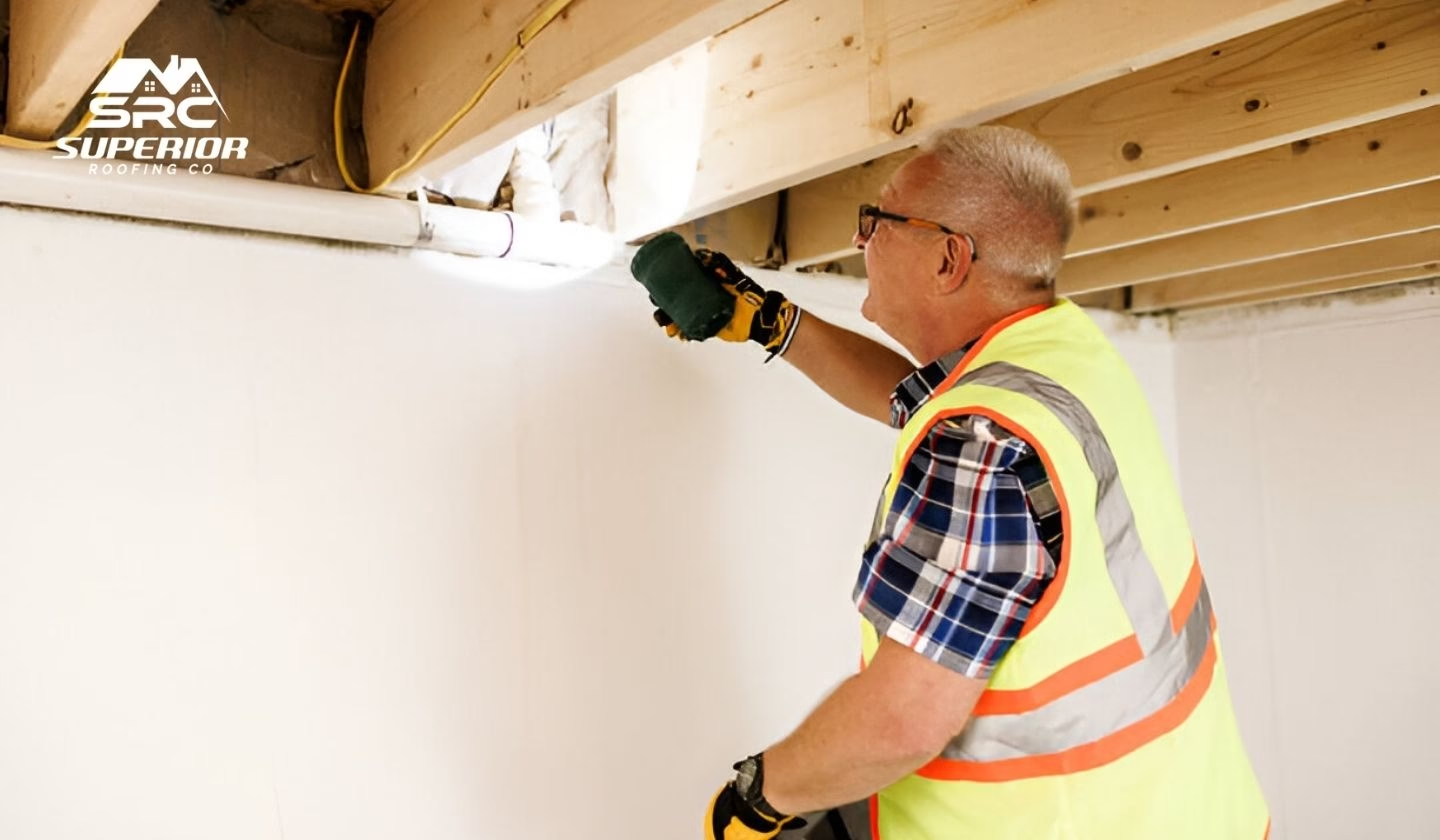
- If the roof is hard to reach, you can figure out the roof pitch inside:
- Find a rafter and measure 12 inches horizontally along it.
- Measure straight up to the underside of the rafter.
- Divide the vertical measurement by 12 and you have your pitch.
This method works well for steep or complicated roofs when determining the pitch of the roof without climbing. It also allows you to check the pitch without climbing, which is especially useful for older homes or high roofs.
Tips for Accuracy
- Measure a few spots. Roofs can sag or vary slightly over time. By measuring pitch in multiple areas, you get a better average.
- Check more than once. Older roofs may not be perfectly even, so double-check your numbers.
- Use a reference. If you want to compare your findings, you can look for a roof pitch table or roof pitch scale online to see how your measurement stacks up against standard angles.
- Keep notes. Write down each measurement so you can compare them and get an accurate average. This is especially helpful if your roof has sections with slightly different slopes.
Why Knowing Roof Pitch Helps
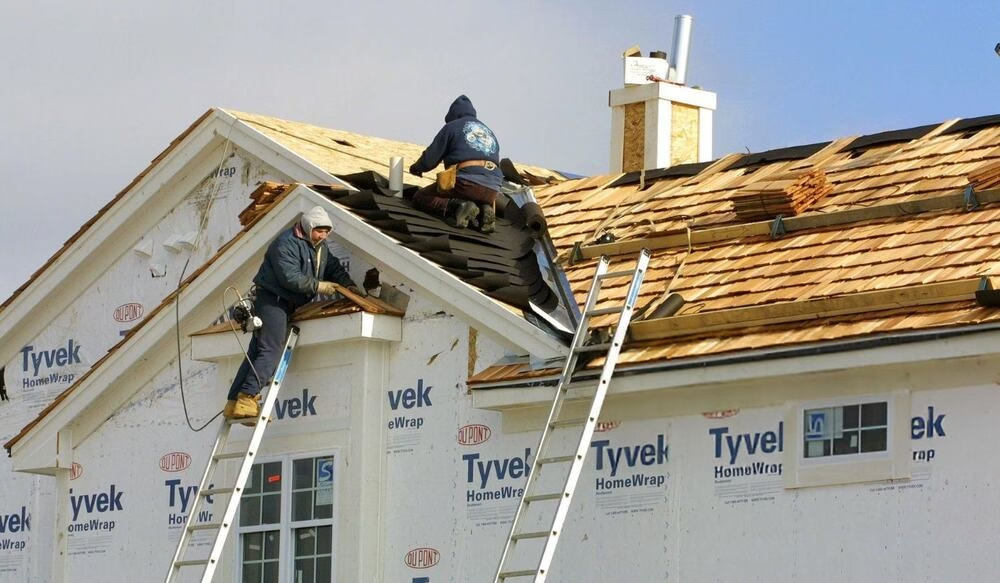
After repairing or replacing your roof, it may be easier to take care of it in the future by knowing its slope. The pitch will assist you in selecting materials that will resist the weather in areas of rain or snow. The steep roofs allow the leaves, branches, and other debris to slide off on their own, whereas the flatter roofs might require additional care to keep the roof clear.
The roof’s angle is also important if you plan to put in skylights or solar panels. They work best at the right slope and can leak if the angle is off. Knowing the pitch ahead of time makes the installation simpler and can save you from costly problems later. If you are figuring roof pitch for a new project, having this number ready helps contractors give you a more accurate estimate.
Bottom Line
To measure roof pitch is simple, but it helps you make the right choices for your home. Whether you need to estimate roof pitch for repairs or you are just curious about your home’s specifications, doing it yourself is a great first step.
If you need help or want a professional assessment, Superior Roofing Company is here for you. We make sure your roof stays strong, safe, and durable. We have experience with all types of roofs, from plain slopes to complex roofs with multiple angles. We are careful when determining roof pitch to ensure your roofing project proceeds as scheduled.
Call us today at (218) 248-6060 to schedule a roof check or consultation.